Lagos, Between Golden Cliffs and the Atlantic Blue

There are places where the sea seems to have been sculpted by hand. In Lagos, golden cliffs open up into arches, tunnels, and secluded coves, while the waters of the Atlantic shift through shades of blue with every hour of the day. This Algarve town does not live by its beaches alone: within its historic walls lie Baroque churches, peaceful squares, memories of the Portuguese Age of Discovery, and a laid-back contemporary lifestyle fueled by markets, outdoor cafés, and strolls along the marina.
By Inês Carvalho, Lagos Tourist Office.
A town facing the sea
Lagos is located in the far southwest of Europe, in the Algarve region of southern Portugal. It belongs to the Barlavento—the western part of the Algarve coastline—where the shore grows more dramatic and limestone cliffs contrast with sweeping stretches of sand. The town sits at the mouth of the Bensafrim River, about 90 kilometers from Faro, the regional capital.
Lagos’s relationship with the sea long predates tourism. Settled by various peoples over the centuries, its ancient settlement is traditionally associated with the Roman name Lacobriga. Following the Islamic period, Lagos was integrated into the Portuguese kingdom in the 13th century. Its strategic location made it a major port, particularly in the 15th and 16th centuries, when the Algarve played a pivotal role in Portuguese maritime expansion.
The figure of Prince Henry the Navigator (Infante D. Henrique) remains deeply woven into local identity. In the square named after him stands a statue dedicated to the prince, close to the Church of Santa Maria and the building known as the Mercado de Escravos (Slave Market). Today, the latter houses a museum space dedicated to the Slave Route, addressing a painful and unavoidable dimension of European maritime history. Lagos was connected to the transatlantic slave trade from the 15th century onward, and a visit helps convey the human cost of Portuguese expansion.
Another figure linked to the town is Gil Eanes, the explorer who rounded Cape Bojador on the West African coast in 1434. His memory endures in local place names and heritage, though present-day Lagos seeks to present its history through a broader, more critical lens.
The 1755 earthquake, followed by a tsunami, destroyed much of Lagos. Even so, the historic center retains sections of its city walls, ancient gates, and buildings spanning various eras. Among the most notable landmarks are the Governors' Castle (Castelo dos Governadores), the Ponta da Bandeira Fort (Forte da Ponta da Bandeira), and the Church of St. Anthony (Igreja de Santo António). The latter, part of the Dr. José Formosinho Municipal Museum, captivates visitors with its lavish Baroque interior featuring gilded woodcarvings and hand-painted azulejo tile panels.
Yet the character of Lagos is not defined by its monuments alone. It lives in the traditional cobble-paved streets (calçada portuguesa), the whitewashed houses trimmed with colorful borders, the vibrant bustle of the municipal market, and the way the town unfolds along the waterfront promenade. In the early morning, fishermen and boats arrive at the harbor; by late afternoon, locals and visitors gather on outdoor terraces before heading off to dinner.
Day One: Historic center, ancient walls, and Algarve flavors
Begin your visit along Avenida dos Descobrimentos, by the river. The pedestrian promenade offers a gentle introduction to the town, with views of the marina, the drawbridge, and small boats setting off along the coast. If it's morning, step inside the Lagos Municipal Market. On the fish market floor, you’ll find fresh catches from the Portuguese coast, while fruit, vegetable, and regional produce stalls showcase the vibrant aromas of the Algarve.
Next, head to Praça Infante D. Henrique, one of the town’s main historic hubs. Visit the Church of Santa Maria and the museum housed in the former Slave Market. Allow time to read the displays: the visit is brief, but it offers a vital reflection on the link between Lagos, Atlantic voyages, and the slave trade.
Just a few steps away lies the Governors' Castle, next to one of the ancient town’s monumental gateways. Walk along the accessible stretches of the city walls and continue to the Ponta da Bandeira Fort, built in the 17th century to guard the harbor entrance. Sitting right by the water, this small fortress marks the threshold between the town center and the beaches.
After lunch, explore the Dr. José Formosinho Municipal Museum and the Church of St. Anthony. The modest facade gives little hint of the stunning richness within. Be sure to check opening hours in advance, as schedules can vary and certain areas close on specific days.
Spend the rest of the afternoon wandering without a rigid itinerary. Stroll up through the town center streets, discover small shops selling ceramics and Portuguese goods, and pause at a terrace café. Praça Gil Eanes is one of the liveliest spots, especially in summer, but turning down just a few side streets reveals quieter, peaceful nooks.
At sunset, head back to the waterfront or walk over to Praia da Batata, near the fort. You don’t need to go far to watch the golden light reflect off the cliffs. End your day with grilled fresh fish, seafood rice, or a traditional cataplana stew, paired with local Algarve wine.
Day Two: Ponta da Piedade and cliffside beaches
Day two is dedicated to the landscape that put Lagos on the world map. Located just a few kilometers from the center, Ponta da Piedade features some of the Algarve’s most spectacular rock formations. Centuries of erosion have carved arches, sea caves, pillars, and narrow passages into the cliffside, creating a scene of breathtaking beauty, especially in the early morning light.
You can reach it on foot, by taxi, local transport, or bicycle, though the route includes uphill stretches. At the top, boardwalks and marked trails let you admire the coastline from various vantage points. Always stay behind safety barriers and avoid standing close to the edges: the cliffs are fragile and rockfalls can occur.
To experience the caves from sea level, book a boat or kayak tour with a licensed operator. Boats typically depart from the marina or near the town center. Excursions depend on sea conditions, wind, and tides; even in summer, conditions can change quickly. A small boat trip lets you navigate through narrow archways, while kayaking brings you up close to the rock faces—just be sure to follow your guide’s safety instructions closely.
Afterward, make your way down to one of the nearby beaches. Praia do Camilo is famous for its long wooden staircase leading down to golden sands sheltered by towering cliffs. Arriving early is recommended, particularly in July and August when space fills up fast. Keep an eye on the tide as well, as high tide can significantly shrink the sandy shore.
Another great option is Praia de Dona Ana, a larger beach instantly recognizable by the sea stacks rising from the water. Smaller Praia do Pinhão offers a more secluded vibe, while Praia da Batata is the closest to the historic center. Whichever beach you choose, respect all warning signs and never set up your towel right at the base of the cliffs.
For a more relaxed afternoon, cross over toward Meia Praia. Unlike the cozy coves, this broad crescent of sand stretches for several kilometers from the marina all the way to the Ria de Alvor estuary. There is plenty of room to walk, swim, and unwind even on busy days. Being more exposed to the breeze, it’s also a popular hub for water sports.
Return to the center as the day winds down. If you still have energy, head back up toward Ponta da Piedade to catch the sunset from the cliff-top viewpoints. Bring a light jacket, as the Atlantic breeze can turn cool as soon as the sun goes down.
Day Three: Nature, the wild west coast, and local pace
On your third day, choose between delving deeper into the town or exploring the surrounding countryside. For a peaceful morning, start at the marina and cross the pedestrian bridge toward Meia Praia. A shoreline stroll offers sweeping views of Lagos Bay and, off in the distance, the dramatic cliff outline you explored the day before.
If you have a car, head west to Praia da Luz, a coastal village about seven kilometers from Lagos. The beach is flanked by Rocha Negra (Black Rock), a dark volcanic cliff standing out sharply against the coastline’s golden tones. The seaside promenade makes for a delightful walk, lined with cafés and restaurants for a relaxed break by the water.
Further along lie Burgau—a former fishing village set around a quiet cove—and the municipality of Vila do Bispo. Those looking for a wilder landscape can carry on to Sagres and Cape St. Vincent (Cabo de São Vicente), the southwesternmost tip of mainland Europe. The scenery shifts dramatically as you approach the Vicentina Coast: the cliffs become rugged and austere, the winds pick up, and the horizon opens to endless sea.
If you prefer to stay in Lagos, spend the afternoon on a coastal boat tour, exploring the town center at an unhurried pace, or relaxing on Meia Praia. You can also hike along sections of the coastal trails, making sure to stay on marked paths. Sturdy footwear, water, sun protection, and awareness of wind conditions are essential.
Before evening sets in, wander back through the market and historic streets to pick up local products. Handcrafted ceramics, sea salt, gourmet canned fish, honey, almond sweets, and cork items make lightweight, authentic souvenirs. Rather than trying to fill every hour, leave room to simply soak in the town's slow rhythm—an essential part of the Algarve experience.
At the table: Fresh fish, cataplana, and almond sweets
Lagos’s cuisine springs from the meeting of the Atlantic and the fresh produce of the Algarve countryside. Sardines, sea bream, sea bass, mackerel, octopus, and squid are usually charcoal-grilled or simply prepared to let fresh flavors shine. Fish can be sold individually or by weight, so it is always wise to check the price before ordering.
The cataplana is one of the region’s signature dishes. Cooked in the clam-shaped copper pot from which it takes its name, this aromatic stew combines fresh fish, seafood, tomatoes, onions, herbs, and white wine. Other traditional highlights include arroz de marisco (seafood rice), polvo à lagareiro (baked octopus with olive oil and garlic), steamed clams, and xarém—a classic cornmeal porridge often served with shellfish.
For a lighter bite or small plates (petiscos), try octopus salad, cenouras à algarvia (marinated spiced carrots), wedge clams (conquilhas), or fried cuttlefish. Seafood availability naturally varies depending on the season, sea conditions, and fishing quotas.
When it comes to dessert, almonds and figs reign supreme. Don't miss Dom Rodrigo, an indulgent sweet crafted from egg threads, ground almonds, and sugar, wrapped in distinctive colored foil. Morgados de amêndoa (rich almond cakes) and marzipan shaped like miniature fruits are other cherished regional treats.
The Algarve also boasts a thriving wine industry, producing crisp whites, refreshing rosés, and smooth reds that pair beautifully with coastal cuisine. Finish your meal with a sip of aguardente de medronho (a potent local fruit brandy) or regional liqueurs, enjoyed best as a digestif.
Where to stay: From budget stays to luxury resorts
Lagos offers a wide choice of accommodation, from hostels and family-run guesthouses to apartments, boutique town hotels, and beachfront resorts. On a budget, a dorm bed or basic private room generally ranges from €30 to €80 per night, depending on the season and how far in advance you book. The historic center is ideal if you are traveling without a car, though keep in mind that some streets can be lively on summer nights.
Mid-range options, including three- and four-star hotels and holiday apartments, typically range from €90 to €200 per night. The marina area provides easy access to boat tours and the train station, while staying around Dona Ana puts you closer to the coastal beaches and Ponta da Piedade.
High-end hotels, luxury resorts, and private villas with pools can exceed €200 to €300 per night during peak season. Meia Praia is perfect if you’re seeking space and a resort atmosphere, though you will be further from the historic center. Prices rise significantly between June and September, so booking well ahead is essential.
Getting there, when to go, and getting around
The nearest airport is Faro Airport, served by numerous flights across Europe. From Faro, driving to Lagos takes about an hour depending on traffic. Regional trains also serve the route (usually requiring a connection at Faro or Tunes), as do long-distance buses.
Lisbon Airport sits about 300 kilometers to the north. From the capital, you can drive via highway down to the Algarve, take a direct express bus, or travel by train (transferring to the regional line for Lagos). If driving, be sure to familiarize yourself with Portugal's electronic toll system, particularly when renting a car.
Within central Lagos, walking is the best way to get around. Main historic sights are within easy reach of each other, though expect some steep streets and cobblestone pavements. Local buses, taxis, and ride-hailing apps make reaching the outer beaches easy. Having a car is handy for day trips to Sagres, Vila do Bispo, and coastal hamlets, but navigating and parking in the center during summer can be challenging.
The best time to visit depends on your travel style. May, June, September, and early October bring pleasant weather and fewer crowds. July and August are the peak summer months, featuring warm sunny days, busy beaches, and high demand for accommodation. Spring is wonderful for coastal hikes and wildflowers, while winter is quiet and bright, albeit with occasional rain, wind, and reduced seasonal services.
The Atlantic Ocean remains cool even in peak summer. Bring sun protection, carry water, and always obey beach safety flags. Along the cliffs, never cross safety barriers or linger in unstable zones. For boat trips, check weather conditions and book with licensed operators.
An invitation to return
Lagos reveals its charm quickly, yet it never wears thin on a single visit. It reveals itself in the grandeur of Ponta da Piedade, the stillness of a morning on Meia Praia, or the quiet surprise of a cobblestone alley within the old walls. History prompts us to look back with mindful curiosity; the sea, ever-present, simply invites us to slow down.
Come with time to wander, taste, and watch the golden light paint the cliffs. When you leave, you’ll carry away far more than memories of beautiful beaches: you’ll take with you the spirit of an ancient town that continues, day after day, to find its bearings by the Atlantic.
Photo gallery

The town centre and its everyday atmosphere in Lagos, Portugal.
Tinubu Square, Lagos, Nigeria
Foto: Jeremy Weate from Abuja, Nigeria · CC BY 2.0 · Wikimedia Commons
The town centre and its everyday atmosphere in Lagos, Portugal.
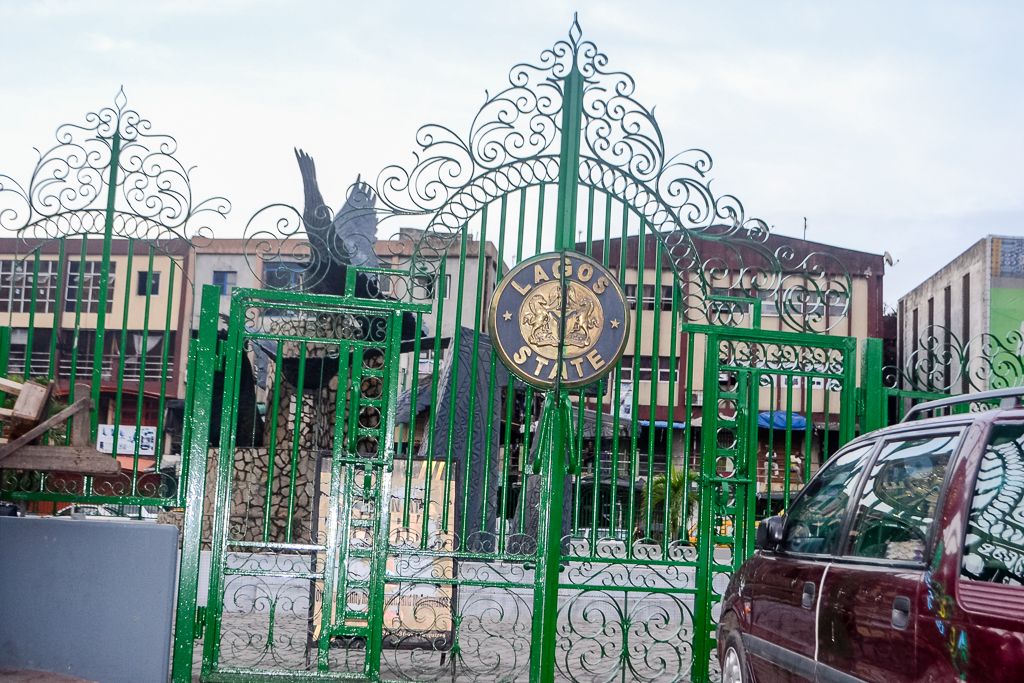
Tinubu Square, Lagos Island
Foto: Kaizen Photography · CC BY-SA 4.0 · Wikimedia Commons

One of the historic landmarks you can visit here in Lagos, Portugal.
Porto Lagos, Agios Nikolas (Metochi of monastery of Batopedio), Vistonida lake, Xanthi, Greece.
Foto: Ggia · CC BY-SA 3.0 · Wikimedia Commons

One of the historic landmarks you can visit here in Lagos, Portugal.
Cathedral Church CMS, Lagos Island East, Lagos-Nigeria
Foto: Omoeko Media · CC BY-SA 4.0 · Wikimedia Commons

Nature and day-trip options in the area in Lagos, Portugal.
Winter scene of the watching tower, dam and Mavrovo Lake, Mavrovo National Park, North Macedonia. The park, founded in 1949, is the largest (of the three existi
Foto: Diego Delso · CC BY-SA 3.0 · Wikimedia Commons

Nature and day-trip options in the area in Lagos, Portugal.
Submerged church of St. Nicholas, Mavrovo Lake, North Macedonia. The church was built in 1850 and submerged in the local lake in 1953, but due to droughts in th
Foto: Diego Delso · CC BY-SA 3.0 · Wikimedia Commons

The regional food you can taste here in Lagos, Portugal.
New Years 2010/2011
Foto: Pug Girl · CC BY 2.0 · Wikimedia Commons

The regional food you can taste here in Lagos, Portugal.
New Years 2010/2011
Foto: Pug Girl · CC BY 2.0 · Wikimedia Commons
Photographs come from Wikimedia Commons and are used under the licences shown, with attribution.